How Much Protein To Build Muscle That Lasts
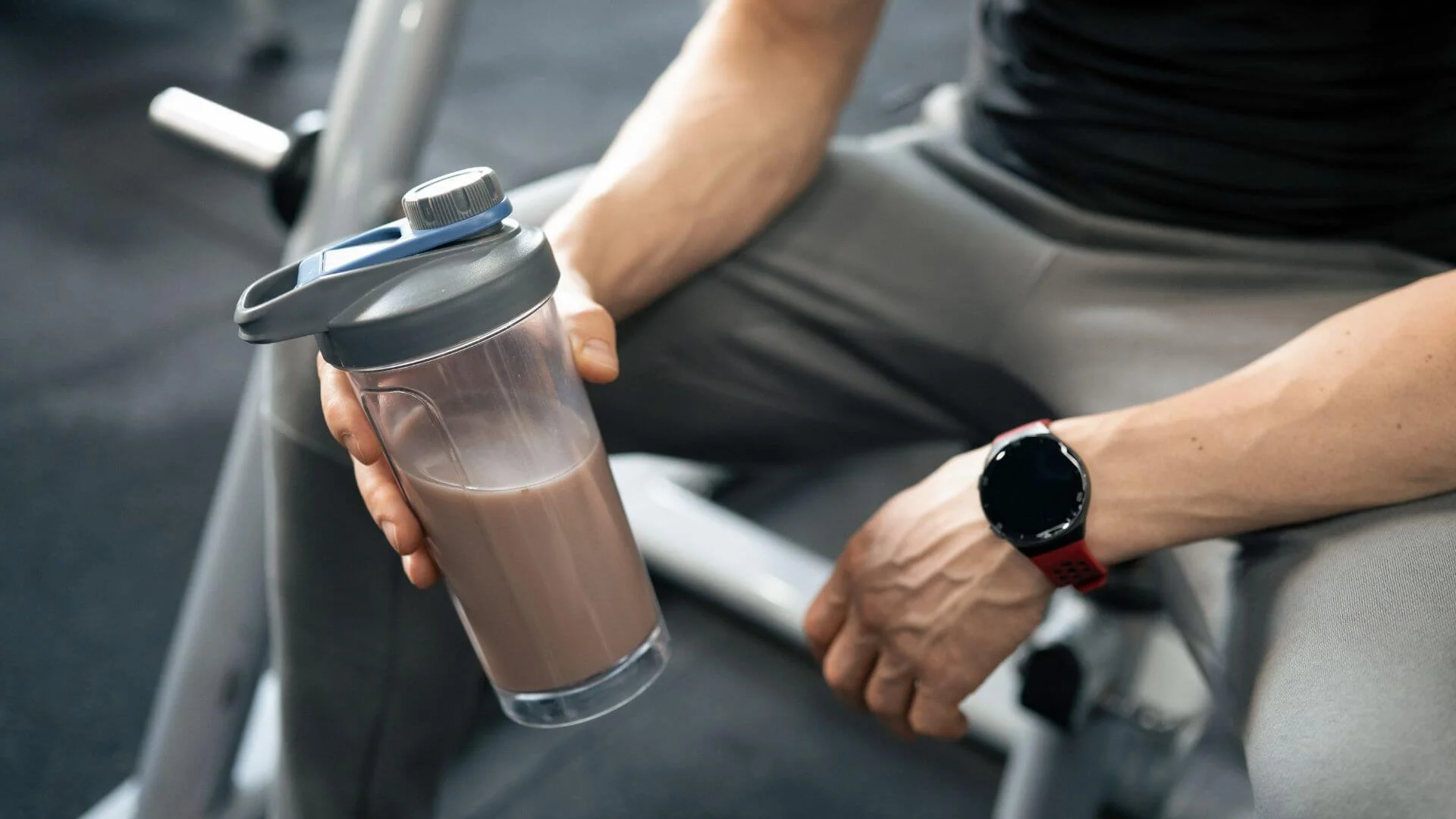
If you’ve been trying to build muscle, chances are you’ve gone down the protein rabbit hole before.
One person says you need multiple protein shakes a day. Another says you should eat your body weight in grams of protein. Then there’s social media telling you to basically live off chicken and rice forever.
So, how much protein do you actually need to build muscle?
The truth is, it’s probably less complicated than you think.
At Peak Physique, we believe building muscle should feel sustainable, realistic, and supportive of your life, not like a second full-time job. Protein absolutely matters, but it’s only one piece of the puzzle.
Let’s break down how much protein to build muscle, why it matters, and how to make it work for your goals long term.
Key Takeaways
Protein helps repair and build muscle after strength training
Most active adults benefit from roughly 0.7–1 gram of protein per pound of body weight
Consistency matters more than extreme “high-protein” diets
Strength training and recovery are just as important as nutrition
Spacing protein throughout the day may support muscle growth and recovery
You can build muscle with both animal and plant-based protein sources
Working with a personal trainer can help create a sustainable plan that actually fits your life
Why Does Protein Matter For Building Muscle?
Every time you strength train, your muscles experience tiny amounts of stress and breakdown.
That’s not a bad thing. It’s actually how muscle growth happens.
Protein provides your body with amino acids, which are essentially the building blocks your muscles use to repair and rebuild stronger after workouts.
Without enough protein, recovery slows down and building muscle becomes much harder, even if you’re training consistently.
That’s why protein and resistance training go hand in hand.
But here’s something important most people miss: More protein does not automatically mean more muscle.
There’s a point where eating more protein stops being helpful and simply becomes extra calories your body doesn’t necessarily need.
The goal is to find the right balance for your body, activity level, and goals.
How Much Protein Do You Need To Build Muscle?
For most active adults trying to build muscle, a good general guideline is to eat around 0.7 to 1 gram of protein per pound of body weight per day.
So if you weigh 150 pounds, that typically means somewhere around 105–150 grams of protein daily.
People who train intensely, are actively trying to gain muscle, or are in a calorie deficit may benefit from being closer to the higher end of that range.
Meanwhile, someone who exercises recreationally a few times a week may not need quite as much.
The biggest thing to understand is that protein needs are highly individual. Your age, activity level, recovery, goals, sleep, stress, and overall nutrition all play a role.
Do I Need Massive Amounts Of Protein To Build Muscle?
Not at all.
One of the biggest misconceptions in the fitness industry is that more protein always equals more gains.
In reality, consistently strength training, recovering properly, sleeping well, and eating enough overall calories matter just as much, if not more.
You do not need:
Six protein shakes a day
A completely restrictive diet
To obsess over every gram you eat
To eat perfectly 100% of the time
You just need consistency.
At Peak Physique, we focus on helping people create realistic habits they can actually maintain long-term because sustainable muscle growth comes from sustainable routines.
What Are The Best Sources Of Protein?
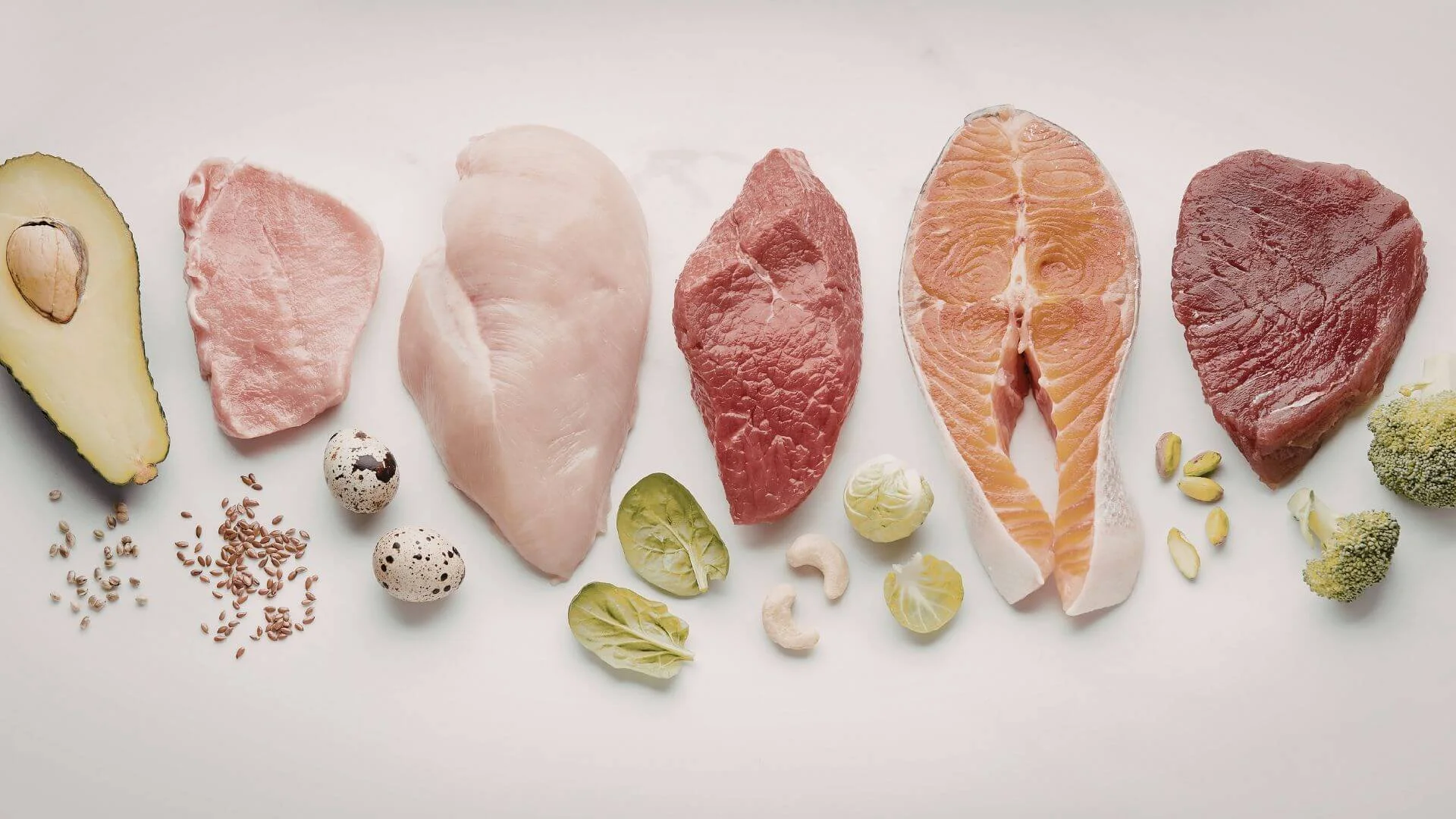
The good news is there are plenty of ways to hit your protein goals.
Some high-quality protein sources include:
Chicken
Turkey
Fish
Eggs
Greek yogurt
Cottage cheese
Lean beef
Milk
Tofu
Tempeh
Beans and legumes
Protein powders
Edamame
Quinoa
You don’t have to eat perfectly clean all the time, either.
What matters most is your overall consistency across days and weeks, not whether every single meal is “perfect.”
Can You Build Muscle On A Plant-Based Diet?
Absolutely.
You can still build muscle effectively on a plant-based diet, but it often requires slightly more planning to make sure you’re getting enough total protein and amino acids throughout the day.
Combining different plant-based protein sources can help support muscle recovery and growth more effectively.
And honestly, this is where having guidance can help tremendously because trying to figure all of this out alone gets overwhelming fast.
Does Protein Timing Matter?
Protein timing can help, but it’s usually not as dramatic as social media makes it sound.
You do not need to sprint home from the gym and immediately chug a protein shake within 30 seconds of your last rep. That said, eating protein within a couple of hours after training can help support muscle recovery and repair.
More importantly, spreading protein throughout the day tends to work better than eating most of it in one giant meal. Think consistency over perfection.
For most people, aiming for protein at each meal is a simple and effective strategy.
What Else Helps Build Muscle Besides Protein?
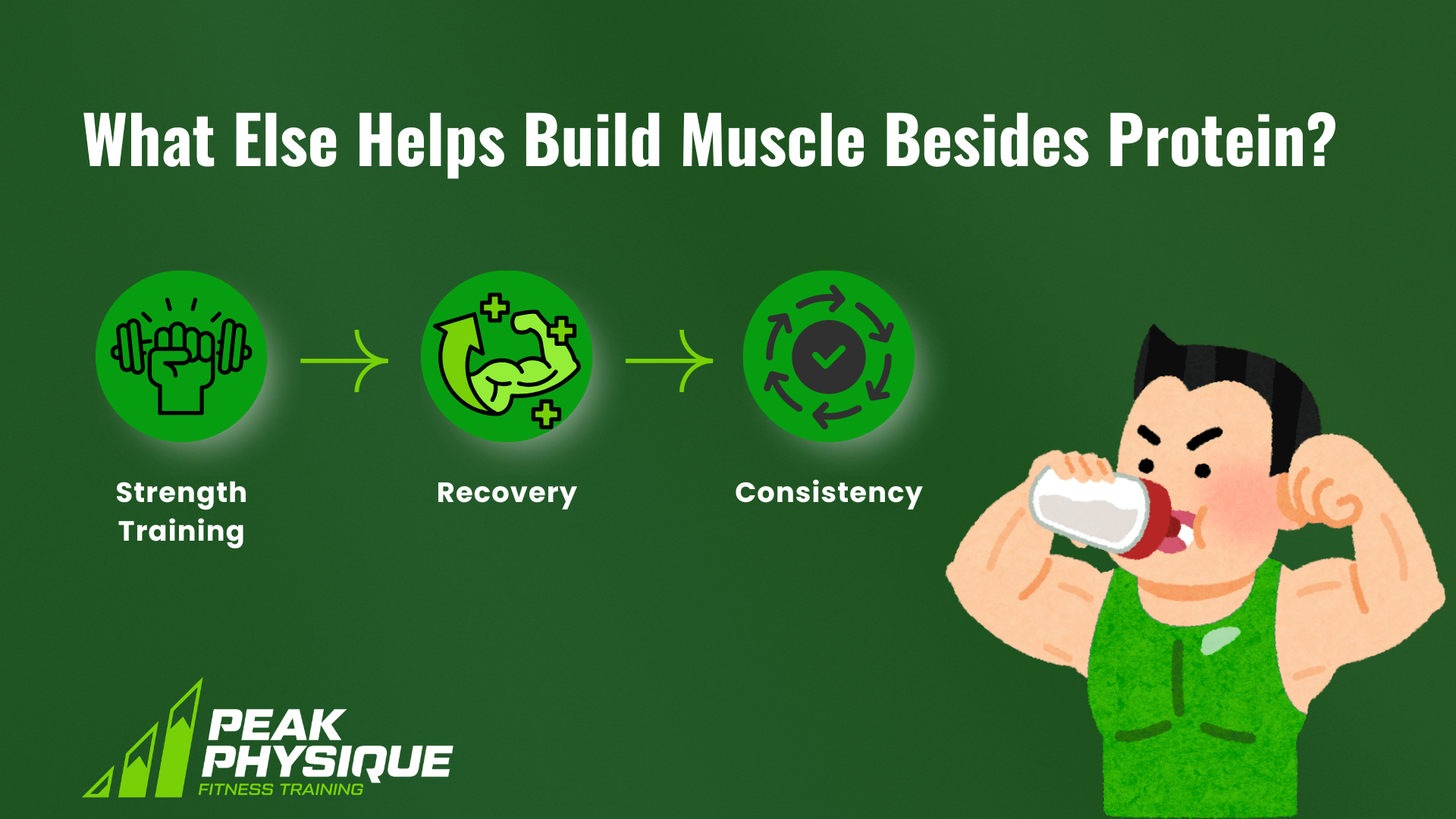
Protein is important, but it’s only part of the puzzle. True muscle growth requires more than nutrition alone.
Strength Training
Your muscles need a reason to grow.
That’s where resistance training comes in.
Progressive overload, which simply means gradually challenging your muscles over time, is one of the biggest drivers of muscle growth.
Recovery
Muscles are built during recovery, not just during workouts.
Sleep, stress management, hydration, and rest days all matter more than people realize.
Consistency
This is the real secret.
Not extreme workouts.
Not crash diets.
Not perfection.
Consistency.
A realistic plan followed for months will always outperform an “all or nothing” plan that burns you out in two weeks.
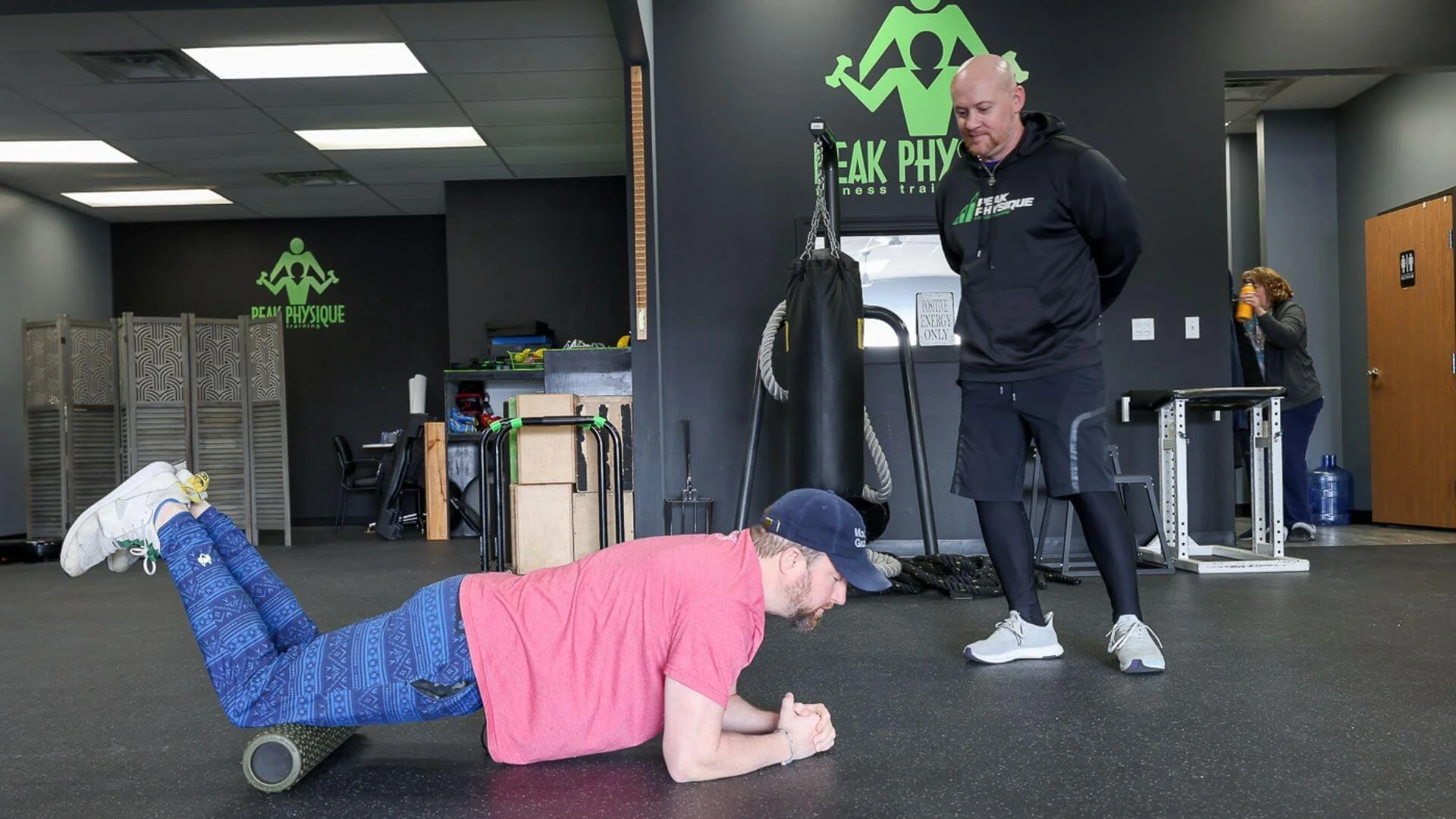
Can A Personal Trainer Help Me Build Muscle?
Absolutely, especially if you feel overwhelmed trying to figure everything out yourself.
There’s so much conflicting information online about workouts, supplements, calories, and protein that it’s easy to feel stuck before you even start.
At Peak Physique, we help simplify the process.
Our trainers focus on:
Personalized strength programs
Realistic nutrition guidance
Recovery support
Accountability without pressure
Sustainable habits that fit your actual life
Because building muscle should help you feel stronger and more confident, not stressed out.
Whether you train with us in person in Troy, MI, or through online personal training, we’re here to guide you every step of the way.
Ready To Start Building Strength?
If you’re ready to stop guessing and start building a plan that actually works for your body and goals, we’d love to help.
Reach out to Peak Physique today to work with a personal trainer in Troy, MI who’s focused on helping you build strength that lasts. Plus, you get your first workout free with your consultation.
FAQs About How Much Protein To Build Muscle
Here are some common questions people ask about protein and muscle growth.
How Much Protein Do I Need To Build Muscle?
Most active adults benefit from around 0.7–1 gram of protein per pound of body weight daily to support muscle growth and recovery.
Is 100 Grams Of Protein Enough To Build Muscle?
For some people, yes. It depends on your body weight, activity level, and goals. Smaller individuals may do well with 100 grams, while others may need more.
Can I Build Muscle Without Protein Powder?
Absolutely. Protein powder is simply a convenient option. Many people meet their protein needs entirely through whole foods.
What Happens If I Don’t Eat Enough Protein?
Without enough protein, recovery slows down, and building or maintaining muscle becomes much harder.
Do I Need Protein Immediately After A Workout?
Not necessarily. While eating protein after training can help recovery, your total daily protein intake matters more than perfect timing.
Can A Personal Trainer Help With Nutrition Goals?
Yes. A personal trainer can help guide your nutrition habits, protein intake, workout structure, and recovery strategies to better support muscle growth goals.