Prevent Lower Back Pain While Gardening With These Awesome Stretches and Exercises

The art of gardening offers beauty to our surroundings and a unique sense of satisfaction and peace.
However, many passionate gardeners often experience a common adversary: lower back pain.
As a result, the very activity they love can become a source of discomfort. The good news is it's possible to prevent lower back pain! Try implementing these stretches and exercises to crush your lower back pain before it starts.
Key Takeaways
Lower back pain is often caused by repeated movements like bending, twisting, and staying in one position too long
Improving mobility in your hips and strengthening your core helps take pressure off your lower back
Simple stretches and exercises done consistently can make a noticeable difference
Proper gardening techniques, like using tools and lifting correctly, reduce unnecessary strain
Working with a personal trainer can help address the root cause and build a plan that actually works for your body
The Seed of the Problem: Why Does Gardening Cause Lower Back Pain?
Prolonged periods of bending, stooping, or kneeling inherent in gardening can place significant strain on the lower back. These activities can lead to muscle imbalance and weakness, creating vulnerability to injury.
Don’t hang up those gardening gloves just yet! Here at Peak Physique, we firmly believe you still deserve to enjoy gardening without pain by incorporating simple preventive measures, such as proper stretching and exercise.
Planting the Solution: Stretches to Prevent Lower Back Pain
In our experience, when these stretches are done right, they can increase flexibility and strength, helping to prevent lower back pain. Remember to hold these stretches for 15-30 seconds, and repeat them two or three times for the best results.

Child’s Pose
This restorative yoga pose targets your lower back and hips, giving them a gentle yet effective stretch.
To perform this pose, position yourself on your hands and knees, forming a tabletop position. Gradually sit back onto your heels, moving your hands forward as you do so. Lower your chest towards the ground while extending your arms fully in front of you.
Ensure your forehead is resting on the mat, and relax your shoulders. Breathe deeply, allowing the stretch to reach your lower back, and hold for up to a minute. This pose can also help alleviate tension and stress.
Knee-to-Chest Stretch
This simple yet potent stretch can help loosen your lower back muscles.
To begin, lie on a firm, comfortable surface on your back. While placing your feet flat and firmly on the floor, bend your knees. Gently bring one knee towards your chest, using your hands to hold it in place. Remember to keep your other foot firmly on the ground while holding the stretch.
You’ll feel it in your lower back and glutes, and when you do, hold for 20-30 seconds. Release and slowly lower your knee so you can repeat with your other leg.
Spinal Twist
We love how the spinal twist helps alleviate lower back tension and enhance spinal mobility.
Begin by lying on your back, drawing your knees into your chest. Form a 'T' shape on either side of your body, and extend your arms out. While keeping your shoulders firmly on the ground, slowly lower your knees to one side, creating a twisting motion in your spine while turning your head the opposite way.
Hold for 15-30 seconds, then gently return to the starting position and prepare for the other side.
The Root of Strength: Exercises to Combat Lower Back Pain
Regular exercise targeting your core and lower back can significantly help prevent lower back pain.
Bridges
Bridges strengthen your core muscles that support your spine and your lower back.
Lie on your back with your feet positioned hip-width apart and your knees bent, resting flat on the ground. Extend your arms by your side, palms facing down. Then, lift your hips off the floor while engaging your core to create a straight line from your knees to your shoulders.
Keep your shoulders on the ground and squeeze your glutes at the top. Hold for a few seconds before lowering slowly. Repeat for 10-15 reps.

Superman
The Superman exercise is a potent strategy for strengthening both your upper and lower back.
To execute this movement, start by positioning yourself flat on your belly. Extend your arms straight ahead and keep your legs lengthened behind you. Mimicking the flight of Superman, engage your back and lift both your arms and legs from the ground simultaneously. Be sure to keep your arms stretched straight in front as you do this.
While carrying out this exercise, remember to maintain a neutral neck position by keeping your gaze down towards the floor. Hold this raised position for at least 30 seconds, then gently lower your body back down. Your aim should be to complete 10-15 repetitions of this exercise.
Partial Crunches
Partial crunches are an effective way to work your core and back muscles, offering strength without placing undue strain on your lower back.
Start this exercise by lying flat on your back. Bend your knees and place your feet securely on the ground. You can cross your arms over your chest or position them behind your head; choose whichever feels more comfortable for you. Engage your abdominal muscles as you gently raise your shoulders from the floor. Remember, this is not a full sit-up exercise; the goal is to lift your shoulders just a few inches off the ground.
At the top of the crunch, pause briefly, then lower yourself back down methodically. Continue this movement for 10-15 reps, maintaining a slow, controlled rhythm throughout.

The Blossom of Prevention: Proper Gardening Techniques
We know stretching and exercising will help with lower back pain; however, it’s important to incorporate proper gardening techniques as well:
Use a gardening stool or kneeler to reduce the amount of bending
Invest in long-handled tools to avoid excessive stooping
Practice proper lifting techniques: use your knees, not your back
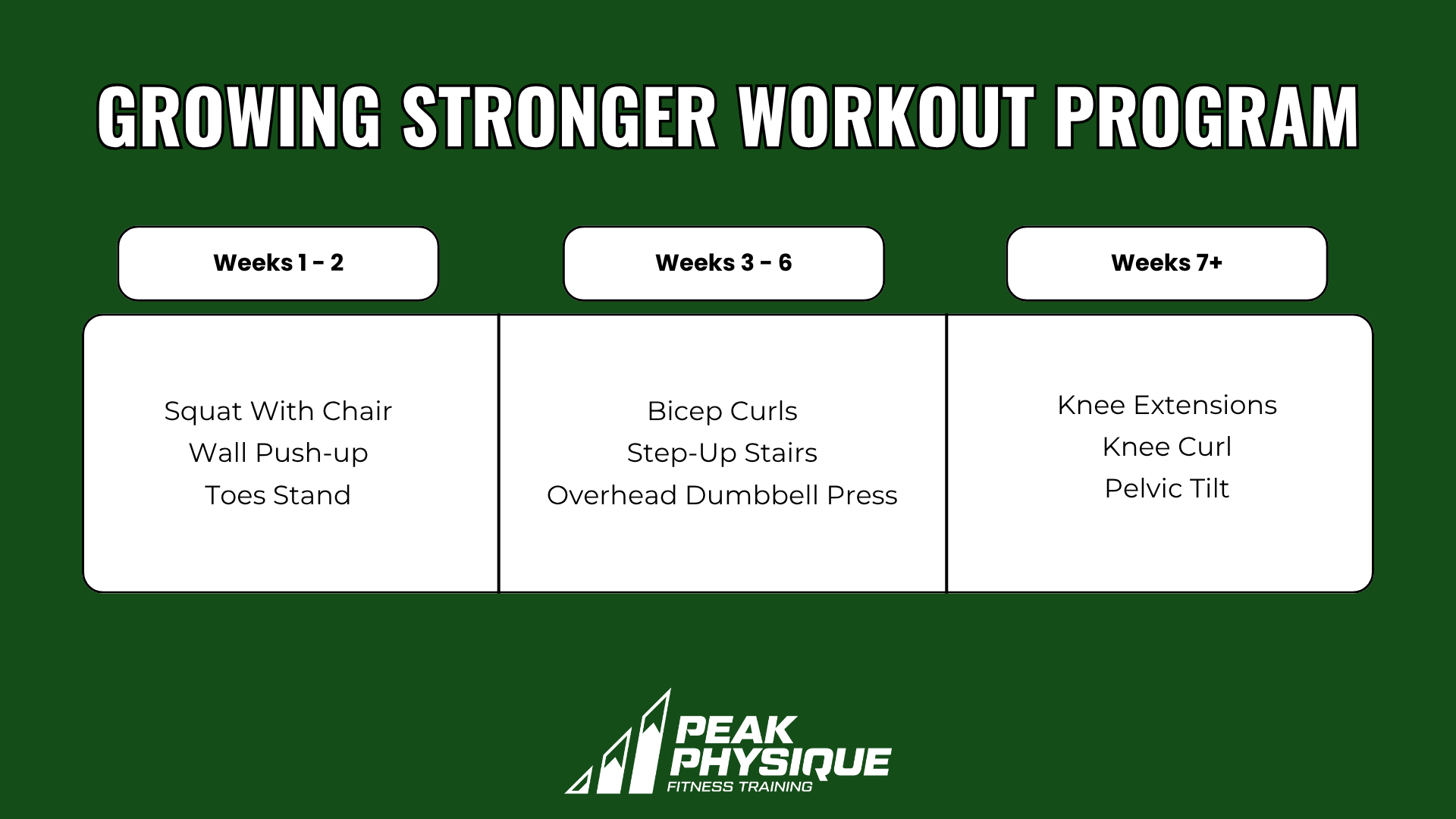
Growing Stronger: How Personal Training Helps Prevent Lower Back Pain
If you’re consistently dealing with discomfort, or you’re trying to prevent lower back pain before it starts, working with a personal trainer can make a bigger difference than most people expect.
Preventing Improper Movement
A lot of lower back issues don’t come from one specific movement. They come from patterns, tight hips, a weak core, poor posture, or simply not knowing how to move well under load.
That’s where having guidance really matters.
A Personalized Approach To How Your Body Moves
At Peak Physique, we don’t just hand you a list of exercises and send you on your way. We look at how your body moves as a whole and build a plan around that.
That means we’re going to address the root cause, not just the symptoms.
Building Strength And Mobility Where It Matters Most
We focus on strengthening your core so your spine has proper support, improving mobility in areas like your hips so your lower back isn’t forced to compensate, and teaching proper movement patterns so everyday activities, like lifting, bending, or even gardening, feel easier and safer.
Accountability That Keeps You Consistent
Another big piece is accountability. It’s one thing to know you should stretch or strengthen your core. It’s another thing to actually stay consistent with it.
Having a personal trainer helps you stay on track, make adjustments when something doesn’t feel right, and continue progressing without risking injury.
Preventing Pain Starts With Doing The Right Things Consistently
At the end of the day, this isn’t about doing more; it’s about doing the right things consistently.
We don’t want to manage pain; we want to help you eliminate it.
Blooming Into a Pain-Free Garden
Ensuring a pain-free gardening experience requires more than just tending your plants; it also involves caring for your body. Incorporate these stretches and exercises into your daily routine to prevent lower back pain. Regular physical activity will strengthen your lower back and core and improve your overall health, making gardening a joy rather than a chore.
At Peak Physique, we understand the physical demands that gardening can put on your body. We’re here to guide you with the right exercises and stretches to ensure you continue enjoying your gardening passion without the pain. Remember, a healthy gardener is a happy gardener!
If you’re still struggling with lower back pain or need more help with performing these exercises, contact Peak Physique today! We’ve helped many people reach their fitness goals and can’t wait to help you, too.
Digging Deeper: FAQs About Lower Back Pain and Prevention
If you’re trying to prevent lower back pain, you’re probably wondering what actually works and what doesn’t. Here are some of the most common questions we hear.
What Causes Lower Back Pain While Gardening?
Gardening often involves a lot of bending, twisting, and staying in one position for extended periods. Over time, this can put stress on your lower back, especially if your core isn’t strong enough to support those movements or your hips aren’t moving properly.
What Are The Best Exercises To Prevent Lower Back Pain?
The best exercises are the ones that strengthen your core and improve mobility. Movements like bridges, bird dogs, and controlled core exercises help support your spine, while stretches for your hips and hamstrings reduce the strain placed on your lower back.
How Often Should I Stretch To Prevent Lower Back Pain?
Consistency matters more than intensity. Even just a few minutes of stretching a few times a week can make a noticeable difference. If you sit a lot or spend time gardening, adding daily mobility work can help keep your body feeling better long term.
Can Strength Training Help Prevent Lower Back Pain?
Yes, and in many cases, it’s one of the most effective things you can do. Strengthening your core, glutes, and back muscles provides better support for your spine, reducing the likelihood of strain and injury.
When Should I See A Professional About Lower Back Pain?
If your pain is persistent, sharp, or doesn’t improve with rest and basic movement, it’s a good idea to talk to a medical professional. Exercise can be incredibly helpful, but it’s important to rule out any underlying issues first.
This article was originally published on June 8th, 2023, but was updated on April 22nd, 2026, with new information.