What To Do When You’re Exercising But Not Seeing Results
If you’re exercising but not seeing results, you’re not lazy, broken, or doing something “wrong.” You’re likely missing one or two key pieces that turn effort into progress.
This is one of the most common frustrations we hear at Peak Physique. People are showing up. They’re working out consistently. They’re trying to eat better. Yet the scale won’t move, strength feels stalled, or their body just doesn’t look or feel different.
And that can be incredibly discouraging.
The good news? This plateau is common and fixable. Let’s break down why it happens, what it actually means, and what to do next so your workouts start working for you again.
Key Takeaways: Exercising But Not Seeing Results
- Exercising but not seeing results is usually a sign that something needs adjusting, not that you’re failing.
- Results depend on recovery, nutrition, sleep, and progressive training, not just workout frequency.
- If you’re working out but not losing weight, body recomposition or under-recovery may be factors.
- Strength, energy, mood, and movement quality often improve before visible changes appear.
- Most people see sustainable progress when training is structured, varied, and supported by expert guidance.
First, Let’s Reframe the Problem
When someone says they’re working out but not losing weight or not seeing changes, the issue is rarely effort. There’s almost always misalignment between training, recovery, nutrition, and expectations.
Progress doesn’t come from just doing more.
It comes from doing what your body can actually adapt to.

How Long Does It Take to See Results From Working Out?
This is one of the most important questions, and one of the most misunderstood. We know you want to see results right away, but it’s important to understand a realistic timeline for when you can start seeing results from personal training:
- 1–2 weeks: Improved mood, better sleep, more energy
- 3–6 weeks: Strength gains, better movement, subtle body changes
- 8–12 weeks: Visible physical changes, fat loss, muscle tone
- 3+ months: Sustainable, noticeable transformation
If you’re expecting major physical changes in the first two weeks, frustration is almost guaranteed. Your body needs time to adapt, and consistency matters more than intensity.
Common Reasons You’re Exercising But Not Seeing Results
There could be a few reasons why you’re exercising regularly, but aren’t seeing results.
1. You’re Consistent… But Not Consistent Enough
Five “good” days don’t cancel out two unstructured ones.
Many people train hard Monday through Friday, then unknowingly undo progress on the weekends through disrupted sleep, inconsistent meals, or inactivity. This doesn’t mean weekends are the problem; it means overall patterns matter more than isolated effort.
Progress comes from what you do most often, not what you do perfectly.
2. You’re Training Too Often and Recovering Too Little
More workouts don’t always equal better results.
Training is a form of stress. When stress stacks up without enough recovery, sleep, food, rest, and mobility, progress slows or stops entirely.
Signs this might be your issue include:
- Constant soreness
- Poor sleep
- Decreasing performance
- Feeling drained instead of energized
For many people, 2–4 focused strength sessions per week, paired with daily movement like walking or mobility, produce better results than going hard every day.
Recovery isn’t time off.
It’s where progress actually happens.
3. You’re Playing It Safe in Your Workouts
Showing up matters, but how you train matters more.
If every workout feels comfortable, your body has no reason to change. Progress requires challenge, whether that’s more resistance, better control, improved range of motion, or increased effort.
This doesn’t mean every workout should crush you. It means workouts should be intentional.
A shorter session done with focus will always beat a longer session done on autopilot.
4. You’re Doing the Same Thing Over and Over
Your body adapts quickly.
If your workouts haven’t changed in months, same exercises, same weights, same reps, your body has already learned how to handle that stress. At that point, the results are going to plateau.
Progress comes from planned variation, not random change:
- Gradually increasing load
- Adjusting reps or tempo
- Advancing exercise variations
- Cycling through different training phases
This is one reason people benefit so much from working with a personal trainer in Troy: it removes guesswork and ensures your training evolves with you.
5. Your Nutrition Isn’t Supporting Your Training
This is a big one.
If you’re working out but not losing weight, nutrition is almost always part of the conversation. That doesn’t mean you’re eating “bad.” It means intake and output may not be aligned.
Common issues include:
- Eating too little and under-fueling workouts
- Eating more than you realize
- Inconsistent meals
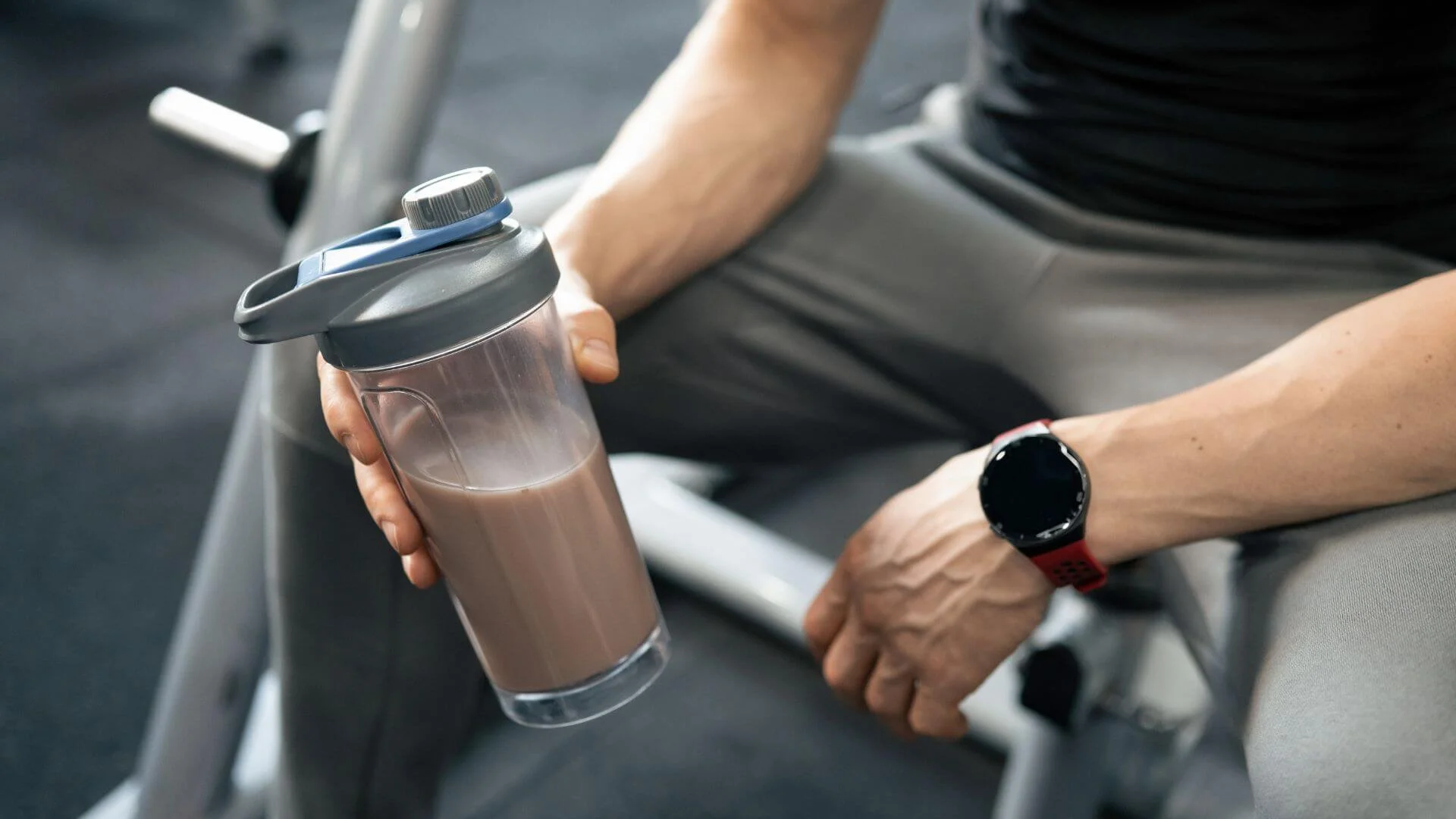
- Not enough protein to support muscle recovery
You can’t out-train under-eating, over-eating, or inconsistency.
The goal isn’t perfection, it’s consistent, balanced fuel that supports training, recovery, and daily life.
6. You’re Tracking the Wrong Things
The scale is a limited tool.
If you’re strength training, building muscle, or improving fitness, the scale may stay the same, or even go up, while your body composition improves.
Better indicators of progress include:
- Strength increases
- Improved energy
- Better sleep
- Reduced pain
- How clothes fit
- Confidence in movement
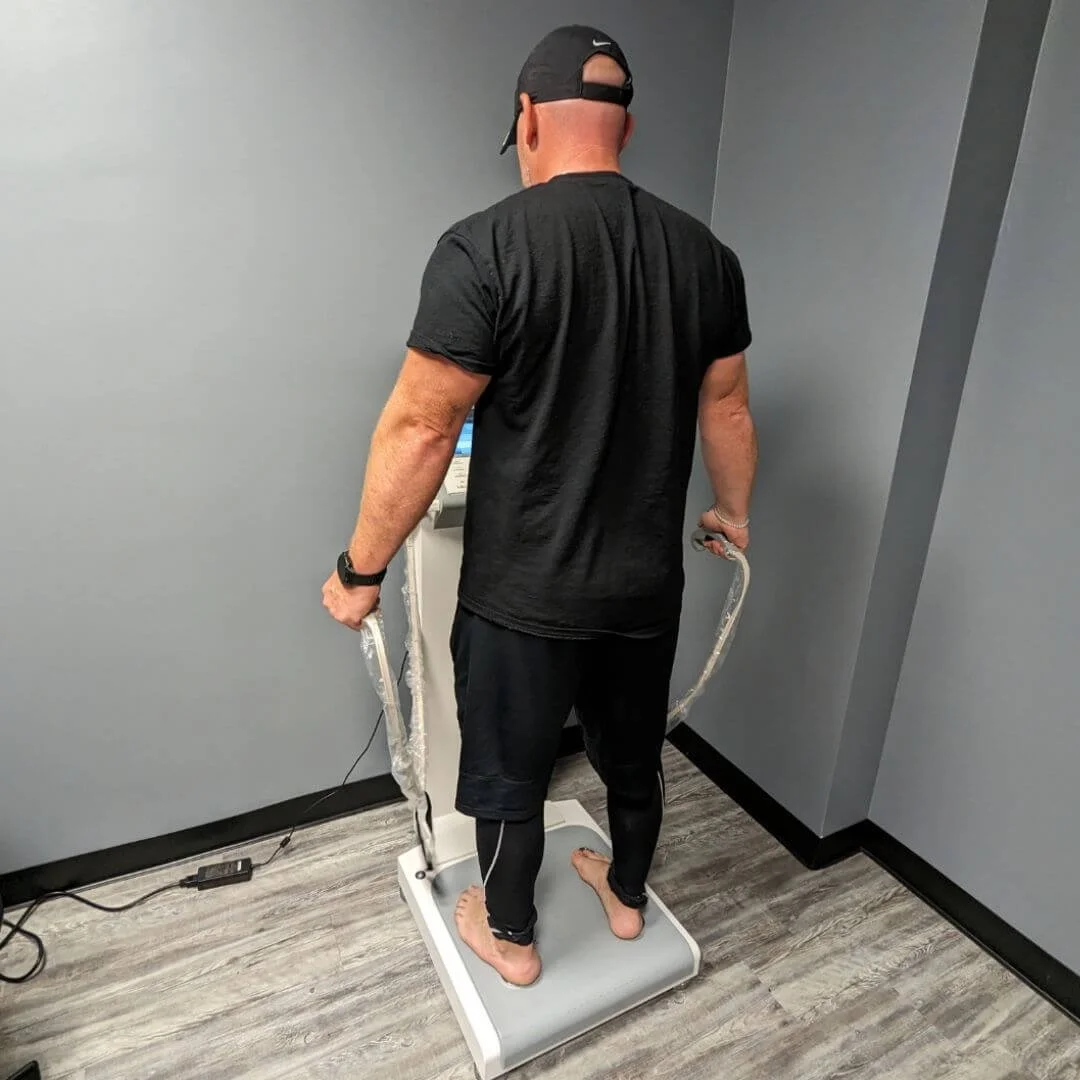
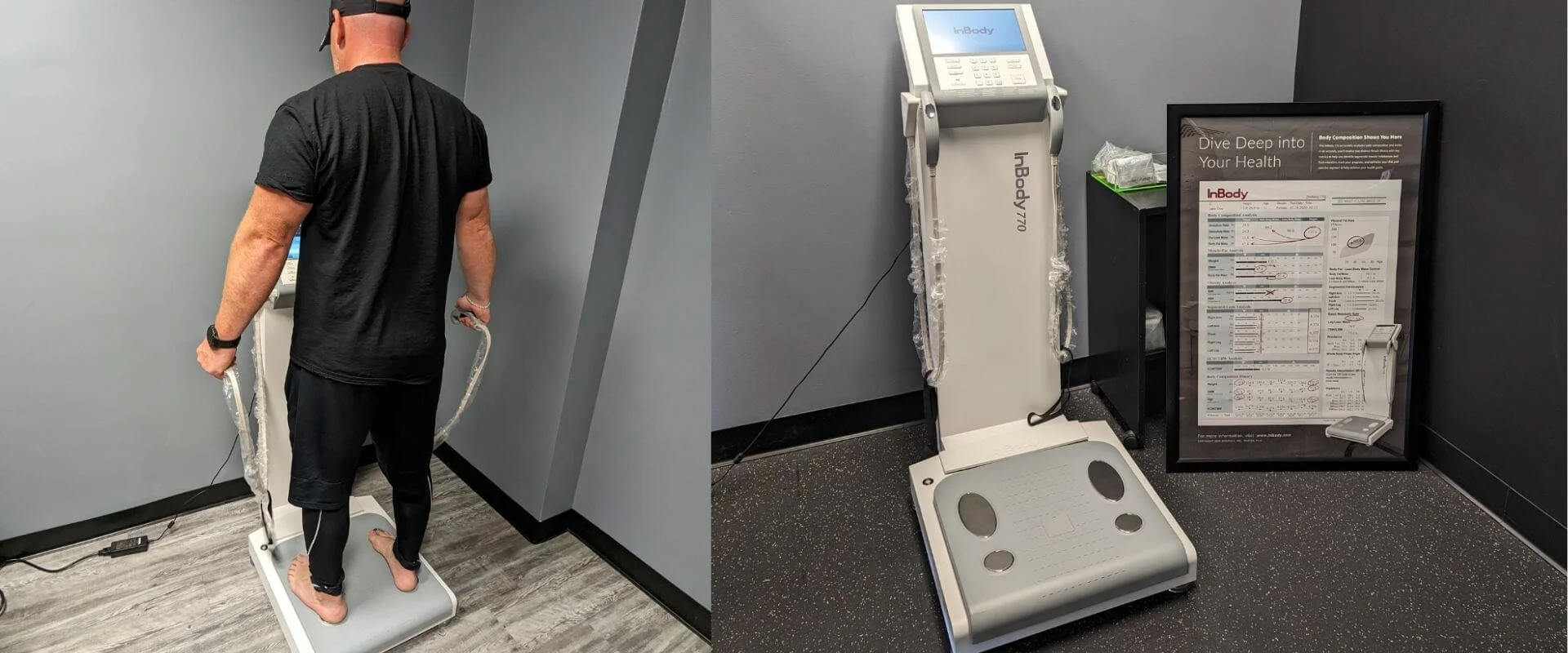
If you’re only watching the scale, you might be missing real progress. This is why we love having an InBody machine at Peak, so you can really understand your body composition.

Signs Your Body Is Asking for a Change
Exercising daily or frequently should make you feel better over time, not worse.
Persistent Soreness
If soreness never fully goes away, your body may not be recovering between sessions. This often signals a need for lower intensity days or better recovery support.
Disrupted Sleep
Exercise should improve sleep. Trouble falling or staying asleep can indicate nervous system overload or training too intensely too often.
Declining Performance
If workouts feel harder despite consistent effort, your body may be under-recovered. Progress sometimes requires pulling back strategically.
Irritability or Dread
Exercise should relieve stress, not add to it. Emotional fatigue is just as important to listen to as physical fatigue.
Recurring Aches or Injuries
Repeated pain in the same areas is a sign that something needs to be adjusted, not pushed through.
This isn’t failure.
It’s feedback.

So, What Should You Do Next If You’re Stuck?
If you’re exercising but not seeing results, don’t start over. Start smarter.
- Simplify your routine instead of adding more
- Balance hard days with easier days
- Fuel your body consistently
- Track progress beyond the scale
- Get guidance when things feel unclear
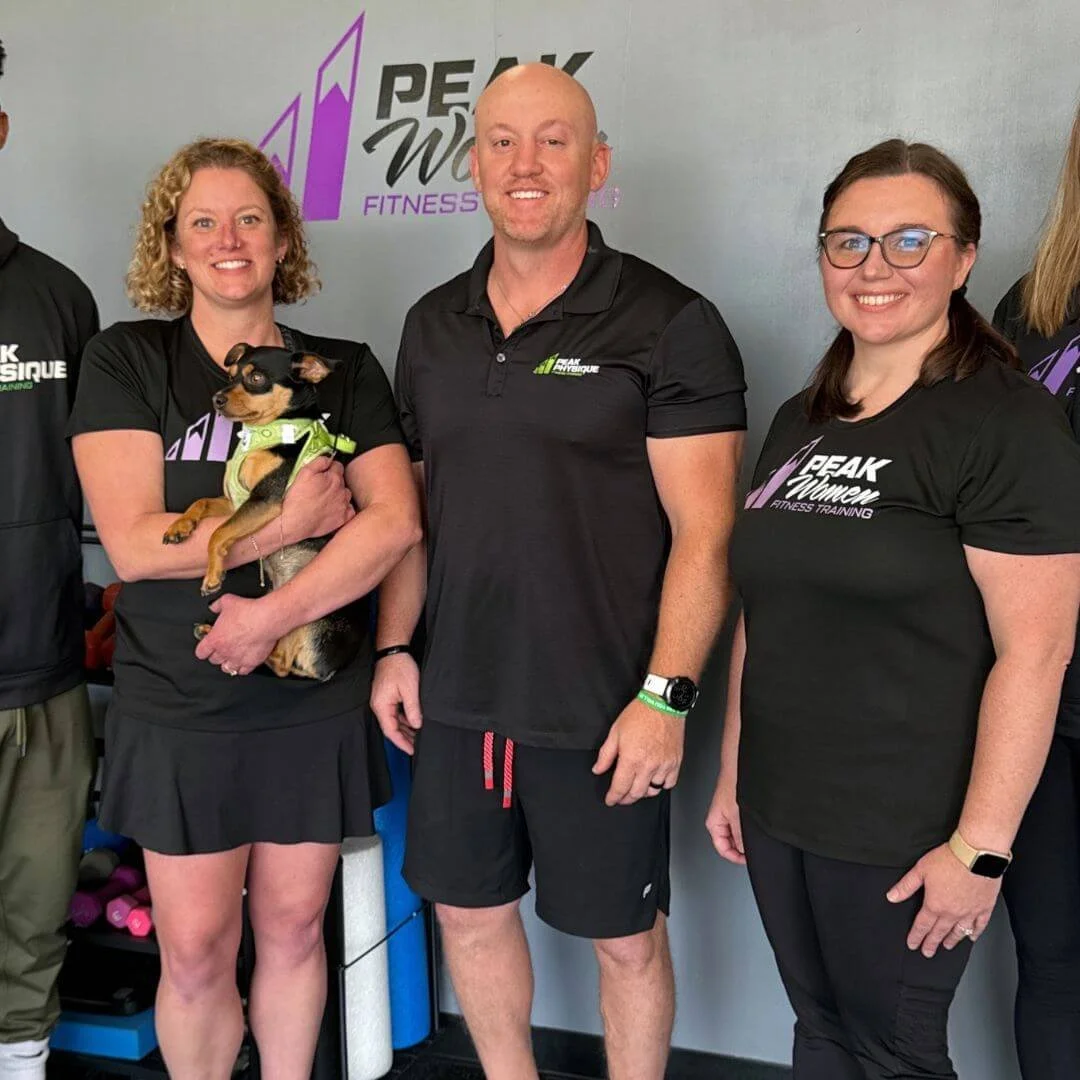
At Peak Physique, this is exactly where coaching makes the biggest difference. As a gym in Troy rooted in community and personal connection, we help people align effort with recovery, structure training intelligently, and build habits that last.
We don’t do cookie-cutter plans.
We meet you where you are and guide you forward.
Start Exercising With Purpose Today
If you’re working out but not losing weight or seeing changes, it doesn’t mean exercise isn’t working. It means your body is asking for a smarter approach.
Progress doesn’t come from doing more.
It comes from doing what works for your body, your life, and your mental health.
That’s where movement meets mental health.
That’s how you stay empowered, not exhausted.
And if you want support figuring out your next step, your first workout with a personalized consultation is completely free.
Train here. Train anywhere. We’ll guide you.
Frequently Asked Questions About Exercising But Not Seeing Results
How Long Does It Take To See Results From Working Out?
Most people notice improvements in energy, mood, and sleep within the first two weeks. Strength gains and movement improvements often appear within 3–6 weeks, while visible body changes typically take 8–12 weeks. Consistency, recovery, and nutrition all play a major role in how quickly results show up.
When working with a personal trainer, you can expect to see results even faster.
Why Am I Working Out But Not Losing Weight?
Weight loss is influenced by more than exercise alone. Nutrition consistency, sleep, stress levels, and muscle gain can all affect the scale. In many cases, people are building muscle or improving body composition even if weight loss isn’t immediately visible.
Is It Possible To Exercise Too Much?
Yes!
More workouts don’t always lead to better results. Training too often without enough recovery can stall progress, disrupt sleep, and increase injury risk. Most people see better results with fewer focused workouts paired with daily movement and proper recovery.
Should I Change My Workouts If I’ve Stopped Seeing Progress?
If your routine hasn’t changed in several months, your body has likely adapted. Small, intentional changes, like increasing resistance, adjusting reps, or progressing exercises, can help restart progress without overhauling your entire program.
Why Do I Feel Sore All The Time Even Though I’m Exercising Regularly?
Persistent soreness usually signals inadequate recovery, not weakness. This can come from training too intensely, not sleeping enough, or under-fueling your body. Recovery days and mobility work are essential for long-term progress.
Do I Need To Go To The Gym To See Results?
Not necessarily. Consistent strength training, daily movement, and progressive challenge can be done at home or in a gym. However, working with a personal trainer in Troy can help remove guesswork and ensure your training is aligned with your goals.
What Should I Track If The Scale Isn’t Changing?
Pay attention to strength improvements, how your clothes fit, energy levels, sleep quality, and confidence in movement. These are often better indicators of progress than body weight alone.
When Should I Consider Working With A Coach?
If you’re exercising but not seeing results despite consistent effort, a coach can help identify what’s missing, whether it’s recovery, progression, or structure. Guidance can turn effort into sustainable progress faster and more safely.